Each of the Bronte sisters etched an everlasting mark through their trailblazing books as women writers in a 19th century society that was still hostile to the concept of a female author, let alone a trailblazing one, whilst the tragedy of their tormented brother Branwell's life and the love they had for him resonates through the ages. (du Maurier 1987, Rees 1986))
Charlotte Brontë: Strong-willed literary genius
Charlotte Brontë's passionate nature yet sheer determination to succeed as a writer is infused throughout her writing. She stands strong as a female writer of the early 19th century with the extraordinary skill of weaving captivating narratives infused with insightful social commentary. Her masterpiece "Jane Eyre" takes us on a heart wrenching journey through the life of its eponymous character, from a tumultuous upbringing to a triumphant victory over adversity. The pages of this novel explore themes of feminism, class struggles, and self-discovery utterly shocking topics for any author to explore, let alone a female one in the strait-laced literary environment of the 19th century. (Gaskell, 1857)
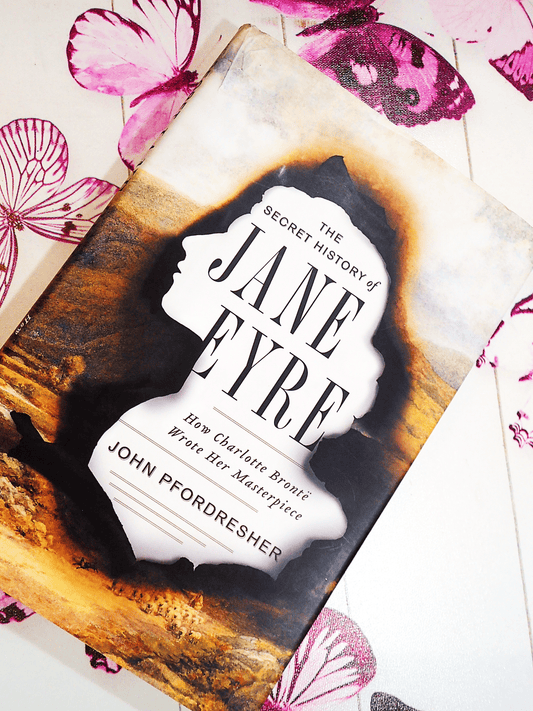
Charlotte's own life experiences left a tragic imprint upon her writing, infusing it with depth and empathy. The untimely loss of her mother and two elder sisters during her formative years deeply impacted her worldview, nurturing a profound empathy that weaves its way into her characters' emotional lives. Her unwavering belief in the brilliance of women's intellect and their emotional fortitude shines brilliantly through the bold, independent heroines she has gifted us. Her unrequited love for Monsieur Constantin Georges Romain Héger (1809–1896) is broadly understood to be the inspiration for her character Jane Eyre. (Pfordresher, 2017)
Emily Brontë: Wild at heart, deeply loving and fiercely protective
Emily Brontë's magnum opus, "Wuthering Heights," gives us a tantalising glimpse into the mind and heart of this fiery young woman who felt every emotion so deeply and was so fiercely loyal to her sisters and tormented brother Branwell.
Many events in Wuthering Heights are believed to have been drawn from her own life experiences and tales she heard of local characters. Her gothic imagination and emotional intensity was like a strike of lightning in the fog of 19th century women's literature. Since its debut in 1847, this novel has unraveled the intricate tapestry of relationships within Wuthering Heights and Thrushcross Grange. The heart-wrenching, all-encompassing love between Catherine Earnshaw and Heathcliff lingers like a haunting melody. (Smith Kenyon, 2002)
Emily's reclusive nature and introspective spirit add an irresistible aura of mystique to her life and works. The intricate characters she molds and the rugged beauty of the moors, a mirror to the human psyche, showcase her distinctive literary voice. Within the pages of "Wuthering Heights," themes of passion, revenge, and the untamed potential of unchecked emotions dance in a whirlwind, engraving their mark upon the Gothic literary tradition.
Anne Brontë: Quiet Revolutionary and trailblazing feminist author.
Often deemed the most underrated of the Brontë sisters in Anne Brontë we find a gentle pioneer. Often overshadowed by her illustrious siblings, Anne's literary contributions are nothing short of profound. Her classic novels "Agnes Grey" (1847) and "The Tenant of Wildfell Hall" (1848) showcase her fearless exploration of themes such as violence by men against women in marriage, the demon drink and the challenges of the heart that loves deeply. "Agnes Grey" draws from her sheltered experiences as a governess, shedding surprisingly insightful light upon the myriad challenges faced by women in the 19th-century workforce. Meanwhile, "The Tenant of Wildfell Hall" fearlessly tackles topics like alcoholism, domestic abuse, and women's liberation, challenging the restrictive norms of its time. (Barker, 1995)
Anne's creations offer a window into the human soul, as she keenly observes human behavior and upholds moral integrity. Despite personal tragedies, including the loss of her siblings, Anne's pen showed a gentle strength, mightier than any adversity. Her writings show her steely character and unwavering determination to reveal societal injustices and fight for women's rights. (Peters, 1977)
Branwell Brontë: More tormented than Heathcliff
Branwell, the brother who would have been expected in the 19th century to be the backbone of the family was instead a soul in turmoil. Wrestling with personal demons and addiction, Branwell's potential as a writer and would be artist was eclipsed by his inner struggles. His scandalous infatuation with a married woman served to further his descent into alcoholism and depression. Reading about his tragic life we can understand how the mental health struggles experienced today were equally as difficult in the 19th century. Despite the deep love his sisters had for him, must have been torment to his thwarted literary and artistic ambitions to be part of such a talented family. His untimely departure at 31 serves as a poignant reminder of the hurdles faced by the family and the societal boundaries they confronted. (Rees, 1986)
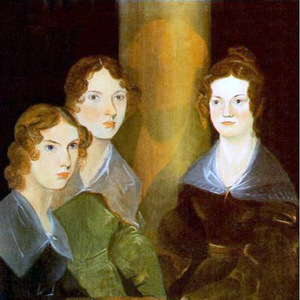
The Ghostly Pillar: In the famous portrait of the three sisters, a faded pillar is visible in the center. This is where Branwell originally painted himself standing with his sisters, before later painting over his own image—leaving himself as a spectral presence in the family’s legacy.
The combined brilliance of the Brontë sisters has left an everlasting impression on the canvas of English literature and their brother Branwell left a haunting legacy of a soul in turmoil loved passionately by them all.
🏡It is still possible to visit the Bronte Parsonage in Haworth Yorkshire.
💍The Brontë sisters were unmarried except for Charlotte who married Arthur Bell Nicholls a curate at the Haworth Parish where the Brontë family lived.
💍Charlotte Brontë and Arthur Bell Nicholls got married on June 29, 1854, in a small ceremony.
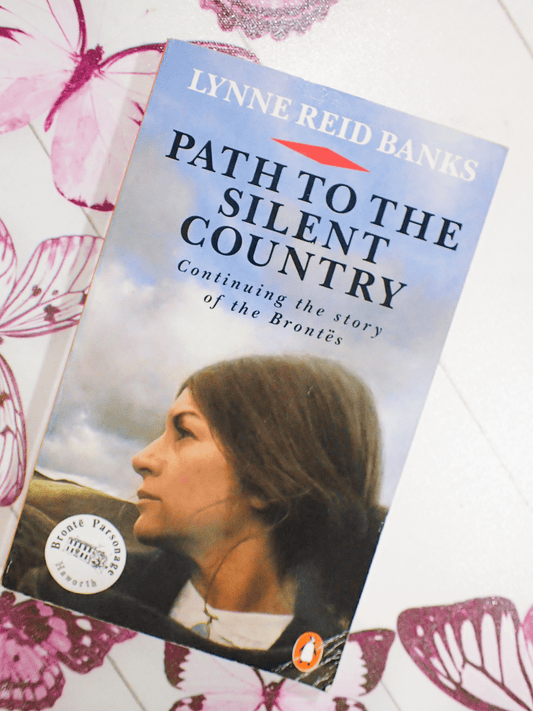
🌹'Path to the Wild Country' by Lynne Reid Banks skilfully brings to life this period of Charlottes life in a meticulously researched novel.
🌹Their marriage was relatively short-lived, as Charlotte Brontë tragically died in 1855
🖤Charlotte, the last surviving sister, died during pregnancy.
👗It is possible to see some of the clothing that the Brontë sisters wore at the Brontë parsonage, putting into perspective how physically delicate these giants of literature were. 👩👧👦Tragically none of the Brontë sisters had any children
👑It is hard to decide who is the most famous of the Brontë sisters many people say Charlotte Brontë because of her novel Jane Eyre but my favourite will always be Emily Brontë's opus Wuthering Heights.
📚Wuthering Heights as well as Jane Eyre have both been made into films, plays and constantly in print since the 19th century remaining some of the greatest love stories ever written.
📚First Editions of Jane Eyre and vintage Wuthering Heights books continue to be highly sought after by book collectors worldwide.