HANS CHRISTIAN ANDERSEN: His Life
On April 2nd 1805, the world of children’s fairytales was to change forever, Hans Christian Andersen was born in Odense, a small town on the island of Fyn, Denmark.
He was no prince born in the magical castles of his stories, his family were very poor, his father in 1805 was a shoemaker’s apprentice and his mother Anne Marie Anderstatter’s life had been that of hardship and she was illiterate. After the death of his father, Hans Andersen the first following the Napoleonic wars, to escape the threat of destitution his mother became a laundry woman so she could support herself and her son Hans. But like another classic author, Charles Dicken’s who was born just seven years later, the hard start they both had in life - suffering along with the poor, enriched their minds and fuelled their writing ambitions to achieve some of the greatest literary works of our history.
At the age of fourteen, Andersen, like the English folk and fairy tale character of our old children’s books, Dick Whittington, set off to Copenhagen to make his fortune. He was ill-equipped to do so, himself at the time being as illiterate as his mother was, but fate works in strange ways and having found a patron he returned to school at seventeen and once he had learnt to read and write the world of books was truly his oyster.
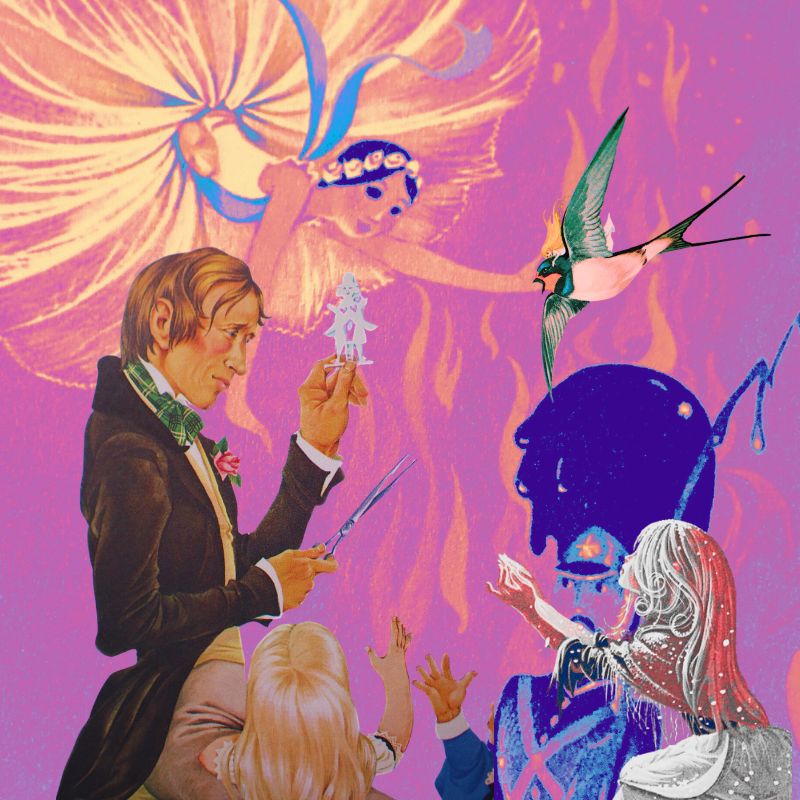
Andersen was an unusual man, particularly in personality but also quite markedly in his striking and ungainly appearance. Hürlimann (1967) draws a parallel between the man Hans Christian Andersen and one of his most famous children’s fairy stories “The Ugly Duckling”. He was a tall and gangly man bringing to mind Oscar Wilde’s caustic description of Aubrey Beardsley, he was ‘hatchet-faced’. Andersen had a large nose and piggy eyes. However, as a teller of tales was he became animated and entrancing.
Andersen never married, so he never experienced a family of his own, the nearest perhaps he came to that was spending time with Charles Dickens’ family and seemingly never inclined to leave after accepting an invitation for a two week stay, five weeks later he was asked to leave somewhat acrimoniously, souring his friendship with Dickens.
Despite never experiencing the joy of being part of a family - maybe why so many of his tales are tinged with sadness, this talented author of children’s books has brought joy to so many with his enchanting stories that have stood the test of time. When he died in 1875, he had written several volumes of fairy tales, various travel books, and become a huge celebrity. But he never forgot the home of his childhood, which must have been happy despite the hardship. Hürlimann, (1967) recalls the lines of this poem Hans Christian Andersen published at the age of seventy:
“One little room, a scullery,
Kindliness and quiet things;
Never a Christmas Eve like that
In all the palaces of Kings."
HANS CHRISTIAN ANDERSEN: His Work
How many of the lovely old fairy tales do you remember? The chances are many of these wonderful old children's stories were written by the Danish author Hans Christian Andersen.
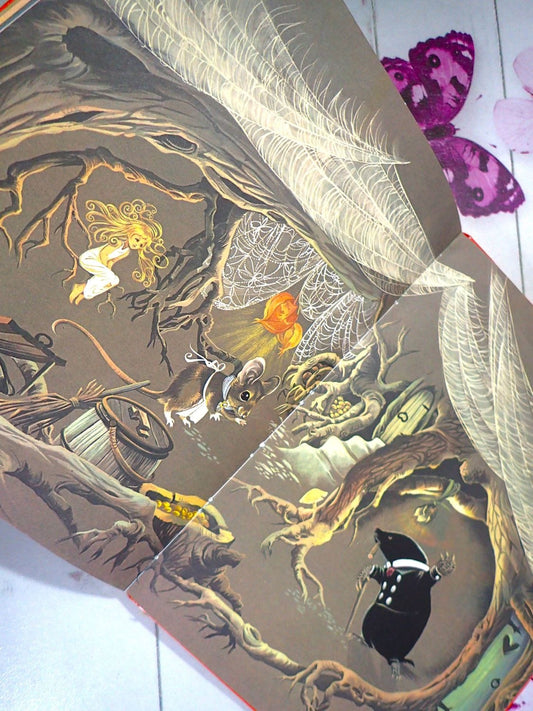
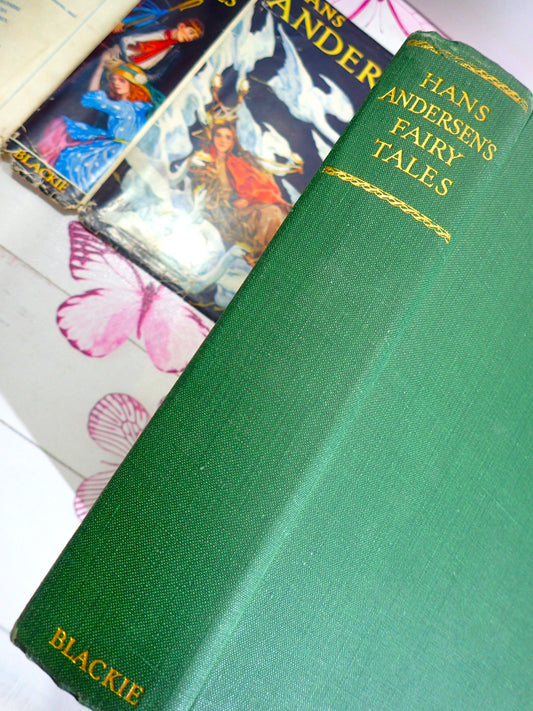
From Ladybird books such as Well Loved Tales’ versions of his fairy tales, childhood favourites like ‘The Princess and The Pea’ and ‘The Little Mermaid’, to lovely antique, collectable and rare books, beautifully illustrated by artists such as Arthur Rackham and Mabel Lucie Attwell; or famous film or television adaptations of Hans Andersen favourite stories such as ‘The Snow Queen’ and ‘The Red Shoes’ - nearly all of us at some time will have been entertained by the classic old fairy story books written by this weaver of enchanting tales.
The early 19th century, was a fertile time for the world of fantasy writing, Jakob and Wilhelm Grimm also published their first classic book of fairy tales in 1812, and this volume proved to be of great inspiration to Andersen. Perhaps it gave him an inkling of what could be achieved armed with just a fervent imagination and a writing instrument. The difference between Andersen and the brother’s Grimm fairytales is the wonderful stories he wrote like “The Steadfast Tin Soldier” were entirely of his own creation, unlike the Grimm’s who achieved a different feat entirely, that of recording and preserving the historic folktales, myths and stories of the faery folk that had existed in shared narrative form for centuries before but never having been written down for posterity, which is the great service they did for literature.
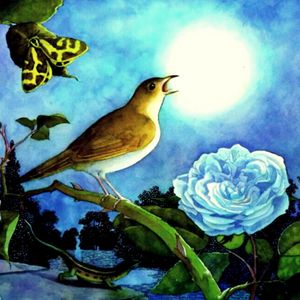
Hans Christian Andersen went on to great fame and celebrity as a writer, touring the homes of the aristocracy and other great celebrities of the day, he became friends with Jenny Lind, the Swedish Opera singer known as “The Nightingale” and it is broadly believed that she inspired his tale of ‘The Nightingale’, just as his humble and loving mother and the hardships she suffered, is believed to have inspired his heartbreaking tale of “The Little Match Girl”.
Andersen’s work is defined by a rare emotional depth—a "bittersweet" quality born from his own experiences of hardship and isolation. From the heartbreaking sacrifice in The Little Match Girl to the vibrant adaptations by Golden Age illustrators like Arthur Rackham, his stories remain timeless. For the discerning collector, vintage editions of Andersen’s work represent more than just childhood favorites; they are windows into the soul of an unusual, ungainly, and brilliant man who never forgot the "kindliness and quiet things" of his humble beginnings.