Her Life
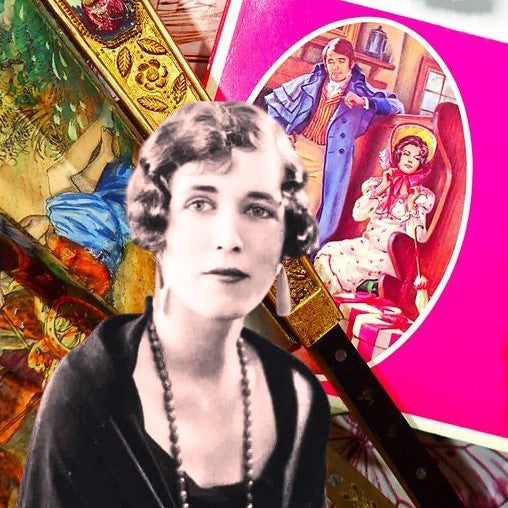
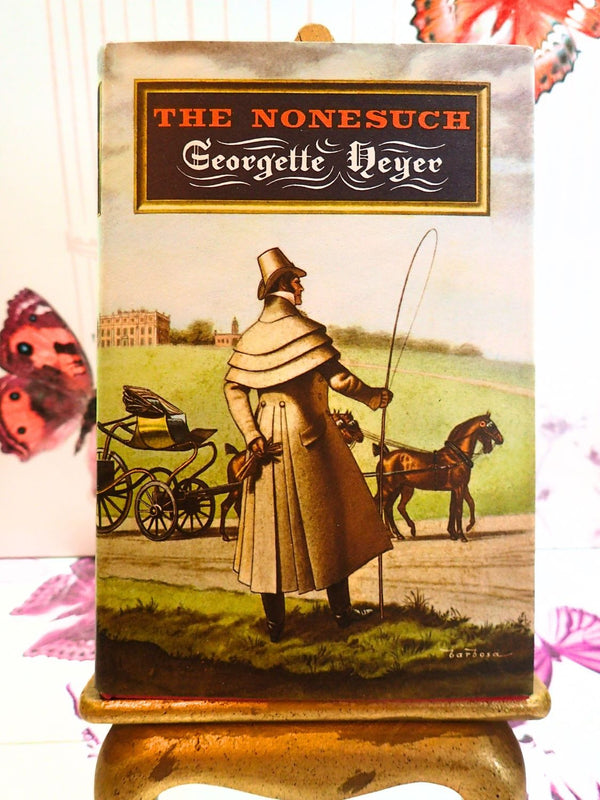
Georgette Heyer, the daughter of a schoolteacher was born in 1902, perhaps destined to be studious. We now know that this surprisingly staid, (according to those who met her) female writer, truly earned the title of 'Queen of the Historical Romance'. In the 20th century she was one of the leading female writers of historical fiction, with an irresistible format equalled only by the strength of her meticulous historical research. It is perhaps less well known that later in life Georgette Heyer wrote an interesting series of Mystery Novels, spurred on by her publisher and most probably the raging success of Agatha Christie Murder Mysteries. These too are enjoyable and well thought out, highly entertaining books with the same satisfying finales we expect from this reliable author.
Her thrillers were almost a joint effort with her husband (a Barrister in later life) who took great pleasure in thinking out the mystery plots for Georgette to enrich.
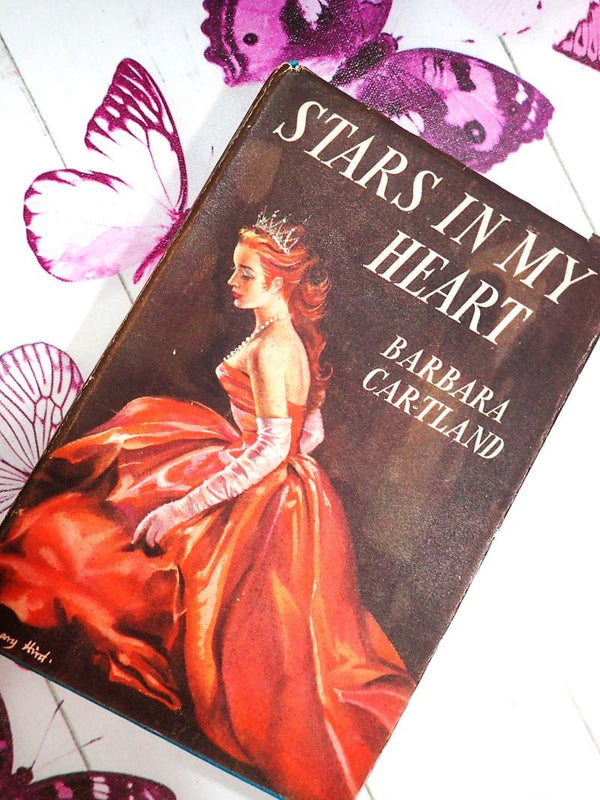
Despite her immense success at writing Georgette's life was not without plentiful challenges very different to those faced by her heroines and dashing heros. She managed to get in rather hot water with the tax inspectors and also quite famously had a bit of a spat with Barbara Cartland over plagiarism. This was never fully resolved but Barbara did for some reason decide to credit Georgette's work in some of her own.
Georgette Heyer died in 1974 leaving behind an impressive volume of work that not only entertains but enriches our understanding of Georgian Era England, particularly the Regency Era. With popular modern day series such as Bridgerton still building on the Regency Romance genre it is tempting to wish, if only they had read more Georgette Heyer.
Her Work
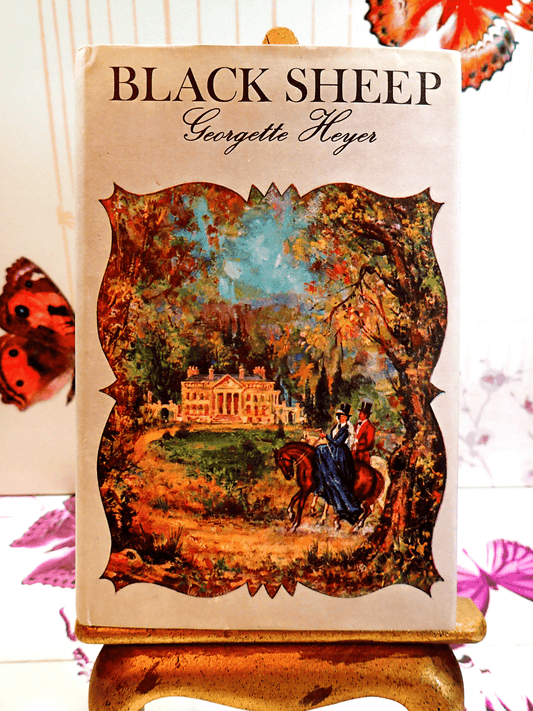
In Georgette Heyers romances she was utterly determined to be historically accurate in her writing, her novels were not the lightweight 'frou frou' fantasy of a bored debutante but instead accurate to the finest degree in her thorough descriptions of clothing, language used and places visited. Such as the eternal favourite Regency era Bath featured in her book 'Black Sheep' amongst others, as well as the broader social mores of the day.
Her plots brought back to life the effervescent Regency Dandy, based upon characters such as the famous Beau Brummel and his foppish way of talking and colourful attire. A plethora of silk breeches and lace along with the 'Sprig Muslin' she named one of her best loved vintage romances after, were all compellingly accurate to the fashions and societal rules of the day.
Within her books we are immersed in the obsessions of high society of the Georgian and Regency era in England. Much like Jane Austen's masterpiece 'Pride and Prejudice', and the nigh forgotten favourite Oliver Goldsmith's 'Vicar of Wakefield', we engage with her characters in their determination to make a good match, with more than a few thousand of course a year, as 'love in a cottage' was unthinkable in Regency Society.
Her books explore topics such as the disastrous fall out that a loss of innocence might have upon the life of a young woman and her resulting ability to achieve that very state seen as a woman's true path in the 18th & 19th century (simply a good marriage), was unthinkable. Loss of innocence before marriage was to be avoided by any means possible. Even if this meant hunting the roués down in the middle of the night to get just revenge. Often by way of a mortally thrilling duel to the death.
We have the common phenomenon of fathers trying to marry off daughters who simply want romance and a love match, to the nearest eligible Lord, providing fertile ground for Heyer's realistic plots that included seducers, elopements, runaway brides and the rest.
Anyone who might ever doubt that these scandalous events happened in the 18th and early 19th century would do well to open a history book, as all the plots featured in Heyer's novels are totally viable.
Many a rakish gentleman spent too many nights on the gaming tables to the detriment of his family's estate and often these losses were necessarily made up by marrying the richest girl they could find. And of course Highwaymen, such as featured in her rip-roaring novel 'The Black Moth' (a story she began reciting initially only as entertainment for her younger brother), were really out there on the highways and byways ready to rip the jewels from some swooning society lady's neck, whilst holding up her carriage with pistols before riding off into the night, cape blowing in the wind in a portent of the Marvel superhero and antihero.
Georgette Heyer was a true genius at accurately creating these thrilling scenarios and creating Regency and Historical Romance books with everything a reader might wish for, all wrapped up in a book so enjoyable that even a fan of the smuttiest romance today would still find some delight from the heartwarming denouements in her vintage romance books.
Some of her more serious work included novels such as 'Royal Escape' an in-depth exploration of the trials and tribulations of King Charles II in the time following the Battle of Worcester, far more enjoyable than it sounds in Heyer's capable hands.
We know Charles II eventually came back to the throne and became a greatly loved monarch, but Georgette Heyer is insurpassable as she fills in the gaps with what is commonly known today as 'True Fiction' based around the accurate historical events and characters of the time.
In the 21st century historical romance is still going strong albeit a bit steamier today than Georgette's books, which would not have been too out of place keeping company on the bookshelf of one of her Regency heroines alongside the Sensation Novels of the day that many a Regency lady clutched to her bosom reading avidly. Times really change very little.